Reiki Before Surgery vs After Surgery: A Healer's Perspective
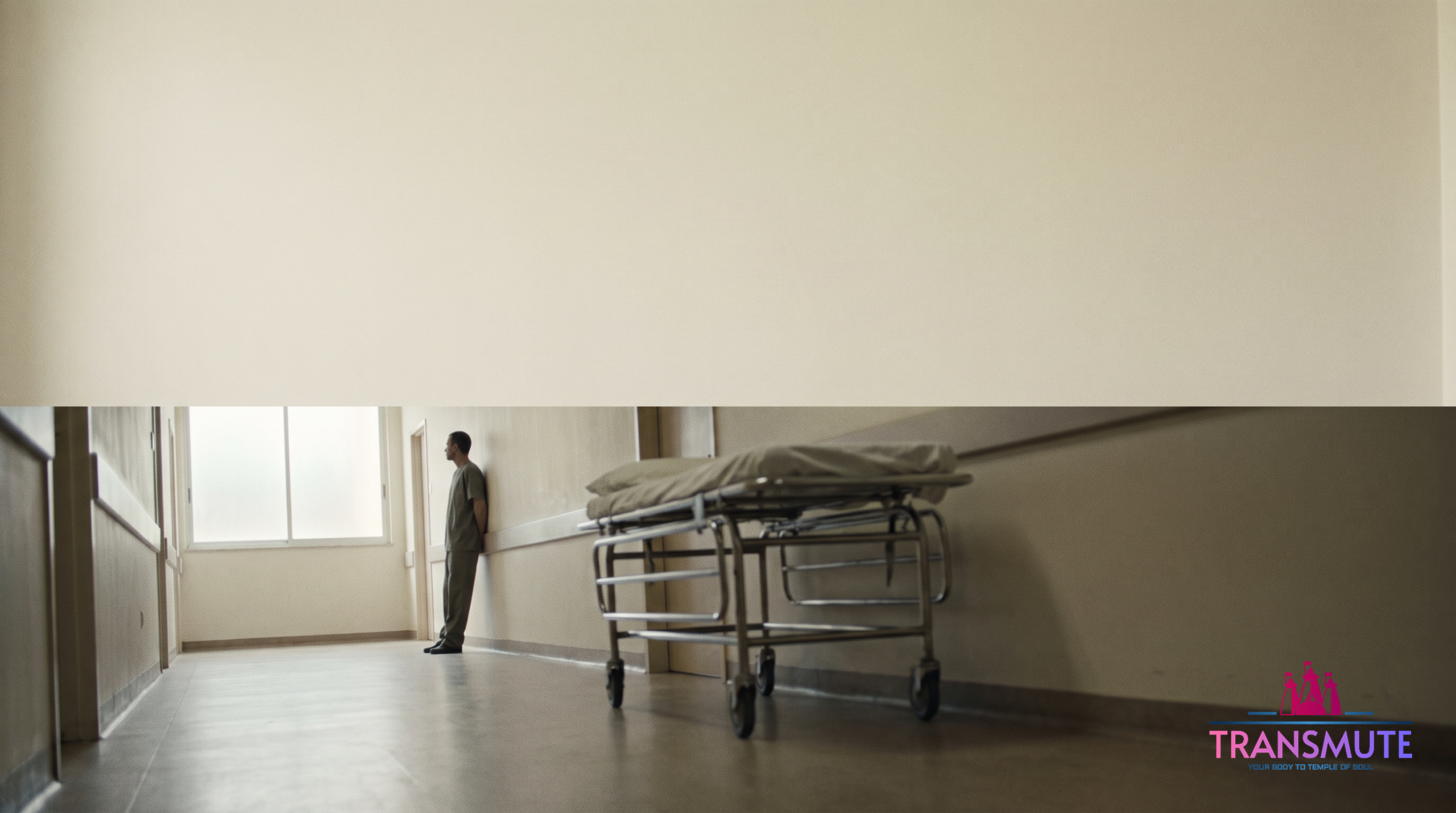
Surgery isn't just something that happens to the body. Days before the date, the mind is already running its own version of the operation — worry, uncertainty, the same questions on repeat. As a healer, this is exactly where Reiki has a real, specific role to play — not one blanket "it's calming" claim, but a different focus at each stage: before, right before, and after.
This guide walks through all three stages the way they're actually practiced — what changes in the pre-op days, what happens right before the patient goes in, and how the focus shifts once surgery is over.
Table of Contents
- Surgery Se Pehle: What's Actually Happening in Body and Mind
- Reiki's Role in the Pre-Surgery Days: From Fear to Acceptance
- Just Before Surgery: Sei He Ki and the Intention to Accept
- After Surgery: Supporting Recovery, Not Replacing It
- Reiki and Medical Care — Working Together, Not Instead Of
- Frequently Asked Questions
- Key Takeaways
Surgery Se Pehle: What's Actually Happening in Body and Mind
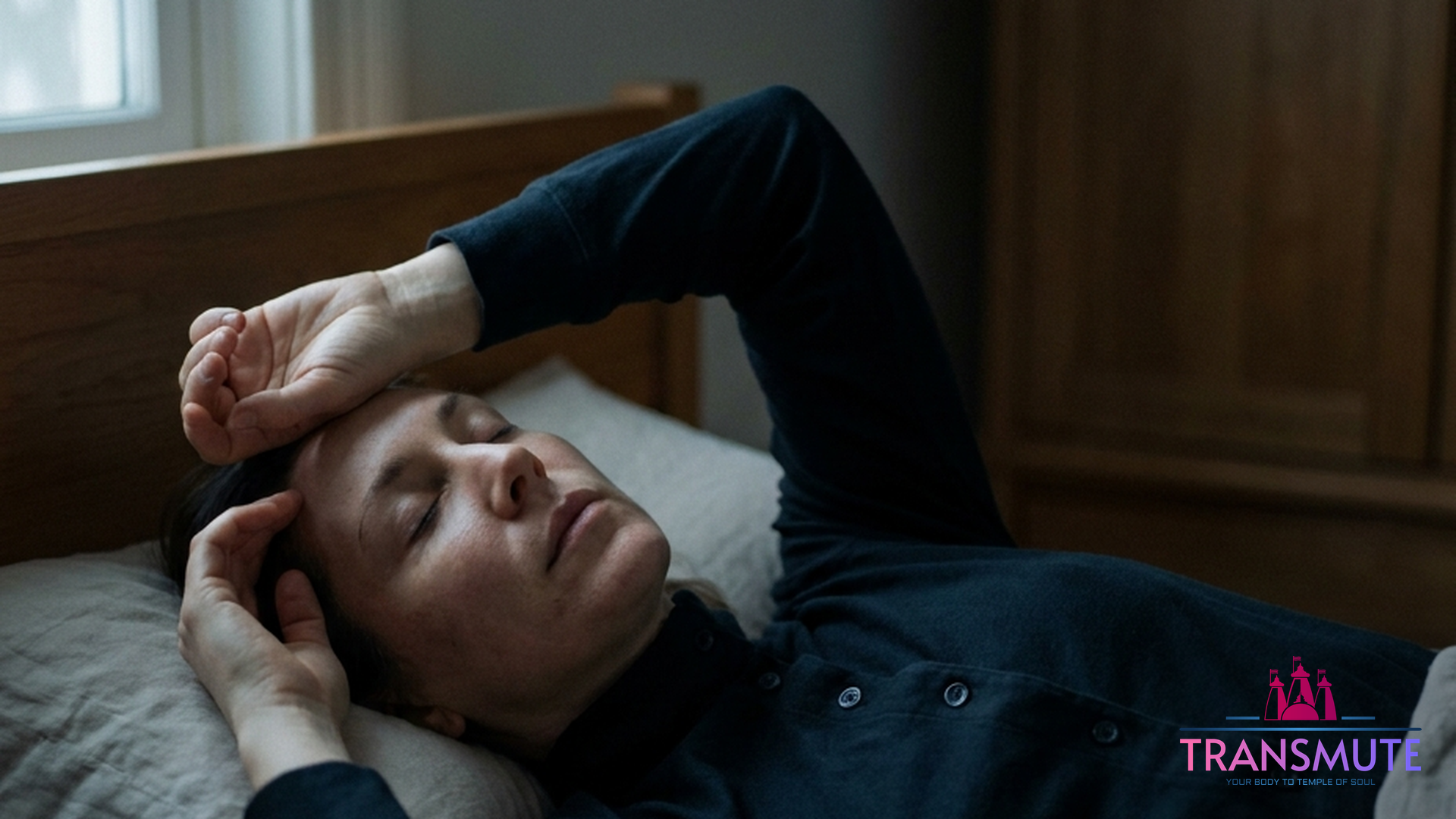
In the days leading up to surgery, most patients are carrying fear, tension, and a lot of uncertainty — even when the procedure itself is routine. That mental state doesn't stay in the mind. It shows up in the body too, in how tense someone is, how little they've slept, how on-edge their system feels walking into the hospital.
This is the state Reiki meets the patient in — not after the fear has already taken over, but in those days beforehand, while there's still time to shift how the patient is meeting the surgery.
Reiki's Role in the Pre-Surgery Days: From Fear to Acceptance
In the pre-surgery days, Reiki is used to help the patient relax — supporting the body toward a calmer, steadier state ahead of the operation. But relaxation on its own isn't the real goal here.
The real goal is acceptance. A patient who faces surgery from a place of fear experiences it very differently than a patient who faces it from a place of acceptance — of trusting the process they're about to go through. That shift, from fear to acceptance, is what this stage of the practice is actually working toward. Calm is the visible part. Acceptance is the point.
Just Before Surgery: Sei He Ki and the Intention to Accept
Right before surgery, the practice becomes more specific. This is where Sei He Ki — the symbol traditionally associated with emotional and mental balance — is used, held with one clear intention: emotional and mental calming, right at the moment it matters most.
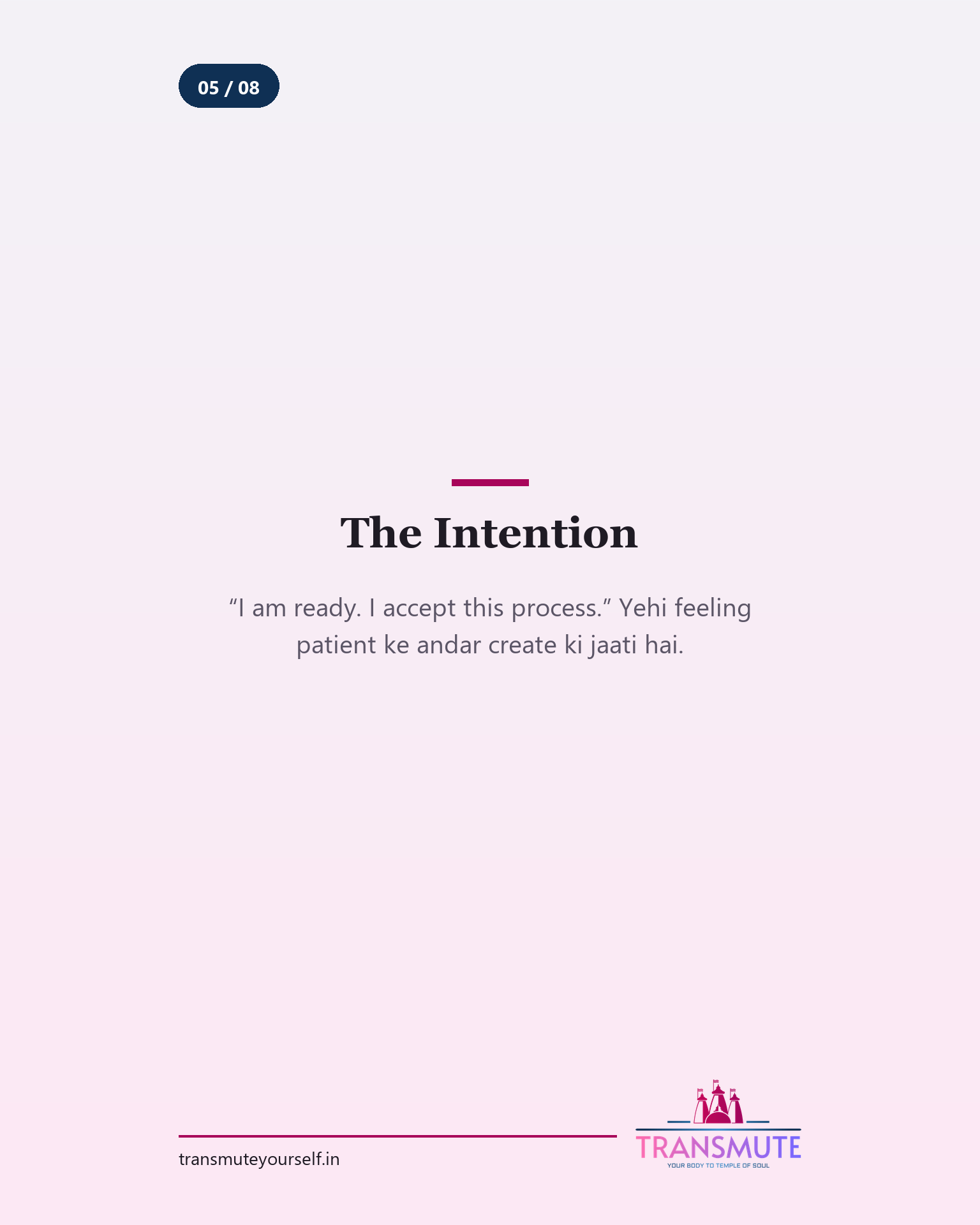
Through this, the patient is given an inner feeling to hold onto: I am ready. I accept this process. Not forced calm, and not denial of what's about to happen — a real, settled readiness to go through it.
After Surgery: Supporting Recovery, Not Replacing It
Once surgery is over, the focus of the practice shifts entirely. Now it's about supporting recovery — keeping the patient calm, supporting them through pain alongside whatever pain management they're already receiving, and supporting the body's own healing process. The same Sei He Ki intention carries into this stage, continuing the thread from just before the operation into the recovery that follows.
The belief and intention held here is that a calmer patient, in a more positive state, is supporting their own healing environment — traditionally associated with easier healing and a lower sense of struggle during recovery. This is offered as supportive, traditional practice — not a medical claim about infection rates or healing speed.
Reiki and Medical Care — Working Together, Not Instead Of
This is worth stating plainly, because surgery is a real medical event: Reiki does not replace medical care, medication, or any instruction from the surgical or medical team — before, during, or after the procedure. It sits alongside that care, as emotional and energetic support for the person going through it, never as a substitute for it.
If you or someone you love has a surgery coming up, always follow your medical team's guidance first. Reiki is something to bring in addition to that care, with your doctor's knowledge, not instead of it.
Frequently Asked Questions
Can Reiki help before surgery?
Yes — in the days leading up to surgery, Reiki is used to help the patient relax and, more importantly, to help them meet the surgery with acceptance rather than fear.
Is it safe to have Reiki right before an operation?
Reiki is a gentle, non-invasive practice with no physical intervention, so it can be offered right up to the point of surgery. It's used purely as emotional and mental support alongside the medical process — always in addition to your medical team's own pre-op instructions, never in place of them.
What does a Reiki healer actually do before surgery?
In the pre-surgery days, the focus is on relaxation and building acceptance. Just before surgery, Sei He Ki is used specifically for emotional and mental calming, holding the intention of readiness and acceptance.
Can Reiki help with pain or healing after surgery?
Post-surgery, Reiki's focus is on supporting recovery — helping the patient stay calm, supporting them through pain alongside their prescribed pain care, and supporting the body's own healing process. This is traditional, supportive practice, not a replacement for medical pain management.
Does Reiki reduce infection risk after surgery?
Reiki is not a medical treatment and doesn't have a clinical claim to reducing infection risk. The belief within the practice is that a calmer, more positive state supports the body's healing environment — this is offered as traditional practice, not medical fact.
Can Reiki replace pain medication or aftercare instructions?
No. Reiki is always additional support, never a replacement for medication, aftercare instructions, or any guidance from your medical team.
How soon after surgery can Reiki be given?
This depends entirely on the patient's medical situation and should always be checked with the medical team first. Once cleared, Reiki can be brought in gently as recovery support.
Key Takeaways
- Pre-surgery, Reiki supports relaxation — but the real goal is helping the patient move from fear to acceptance.
- Just before surgery, Sei He Ki is used specifically for emotional and mental calming, holding the intention "I am ready, I accept this process."
- After surgery, the focus shifts to recovery support — calm, pain support alongside medical care, and a positive healing environment.
- Reiki works alongside medical care at every stage — never as a replacement for it.
- If you or a loved one has surgery coming up, DM us — the first consultation with Transmute is free.
Leave a Reply